Tucker Coffey

I build systems that do
the sorting — so teams
work the real work.

Five machines. Each one filters, routes, or scores — so a human never has to hand-pick signal from noise.

5 systems built
2 products shipped
1 solo builder

Call Intelligence · Multi-Brand Home Services

The phone never stopped ringing.
Which calls were customers?

CallRail captured everything — spam dialers, solicitors, existing customers, wrong numbers, real leads. Revenue was somewhere in the pile. Humans fished for it by hand.

AI classifies every call the moment it ends — real lead or junk, urgency, job type, and the metadata a dispatcher actually needs. Junk never reaches a human. Real leads land in the CRM pre-tagged, pre-sorted, ready to work.

The junk falling away is the product. Not filtering leads — filtering everything else out.

CallRail call classification system diagram
Every call classified without a human touching the pile. CSR typing eliminated — junk hits a dead end, leads arrive in the queue with the brief already written. Leads stopped leaking the moment the system went live.

LSA Lead Routing · Multi-Brand Home Services

One brand, five markets, five lead
streams — and leads went to
whoever noticed.

LSA accounts are per-market. A Charlotte lead is worthless sitting in the Raleigh queue. With five brands across a dozen markets, the routing table was a spreadsheet and a prayer.

The system reads the lead's market from the LSA payload, identifies the right brand and market pair, and drops it directly into the correct CRM bucket — no humans in the loop, no tickets, no Slack messages.

The contrast with the call classifier: that one filters. This one routes. Different problem, same design principle — the system makes the decision so no one has to.

LSA to CRM market routing system diagram
Leads land in the right queue instantly — no routing tickets, no Slack DMs, no "whose market is this?" The machine knows.

AP / Invoice Automation · Client Build

Two kinds of invoices,
one overworked AP inbox.

A vertically integrated real-estate developer, builder, and operator runs two distinct AP worlds: construction pay applications (retainage withheld, lien waivers required, 2/3-way PO match) and operating invoices (utilities, maintenance, make-ready). Both fed the same inbox — humans keyed them in by hand and chased approvals over email.

The system reads each invoice through vision OCR, validates against the vendor master and ERP, codes GL accounts and job IDs, then routes: clean invoices under threshold write automatically, anything ambiguous goes to an approval card in the team's chat with one-tap Approve or Reject, and genuine exceptions are blocked until resolved.

The contrast with CallRail: that system was designed to eliminate the human review lane entirely. This one keeps humans in the loop by design — but only for the decisions that warrant it.

AP invoice automation system diagram
Built and working end-to-end — real vision OCR, 41 offline tests covering retainage math, lien-waiver blocks, PO mismatches, and duplicate detection. Built for a vertically integrated real-estate developer, builder, and operator.

AreaOps · areaops.app

Nobody could answer "where do
we actually service?"

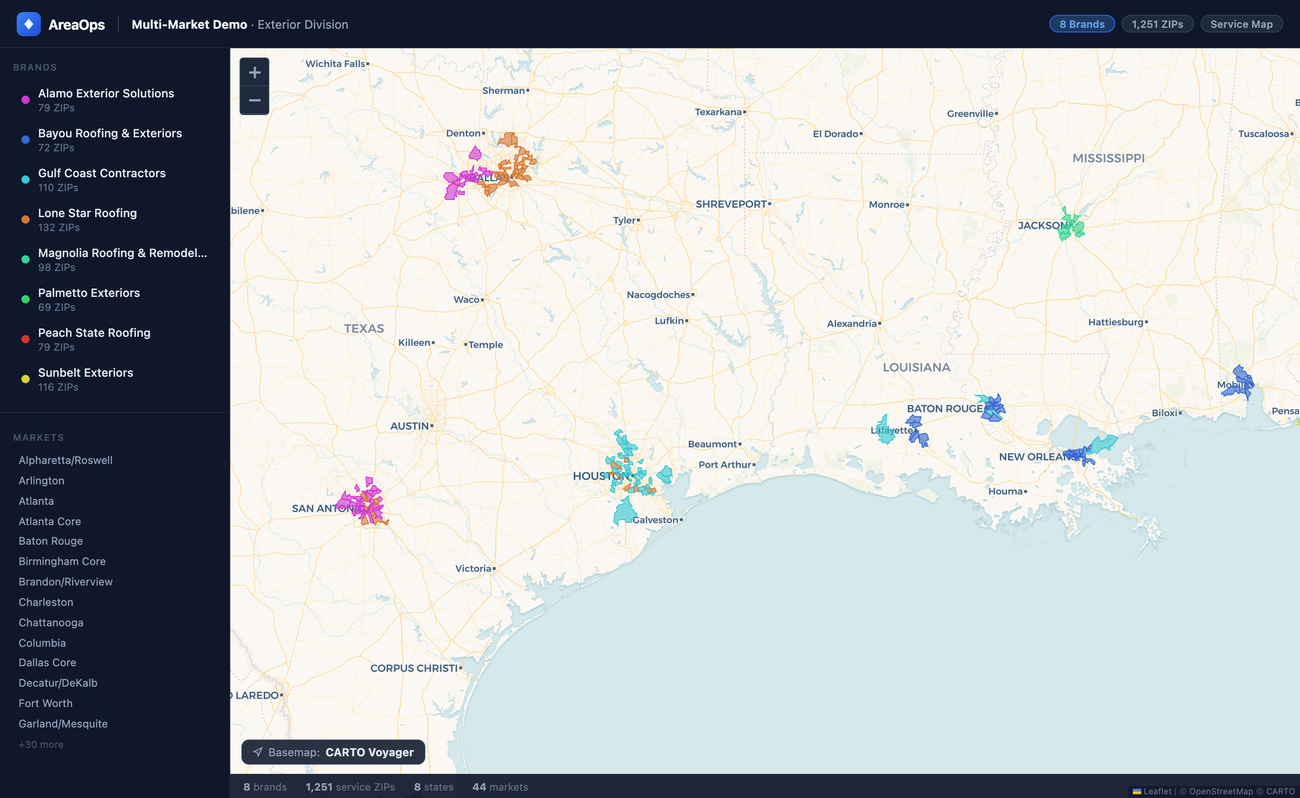
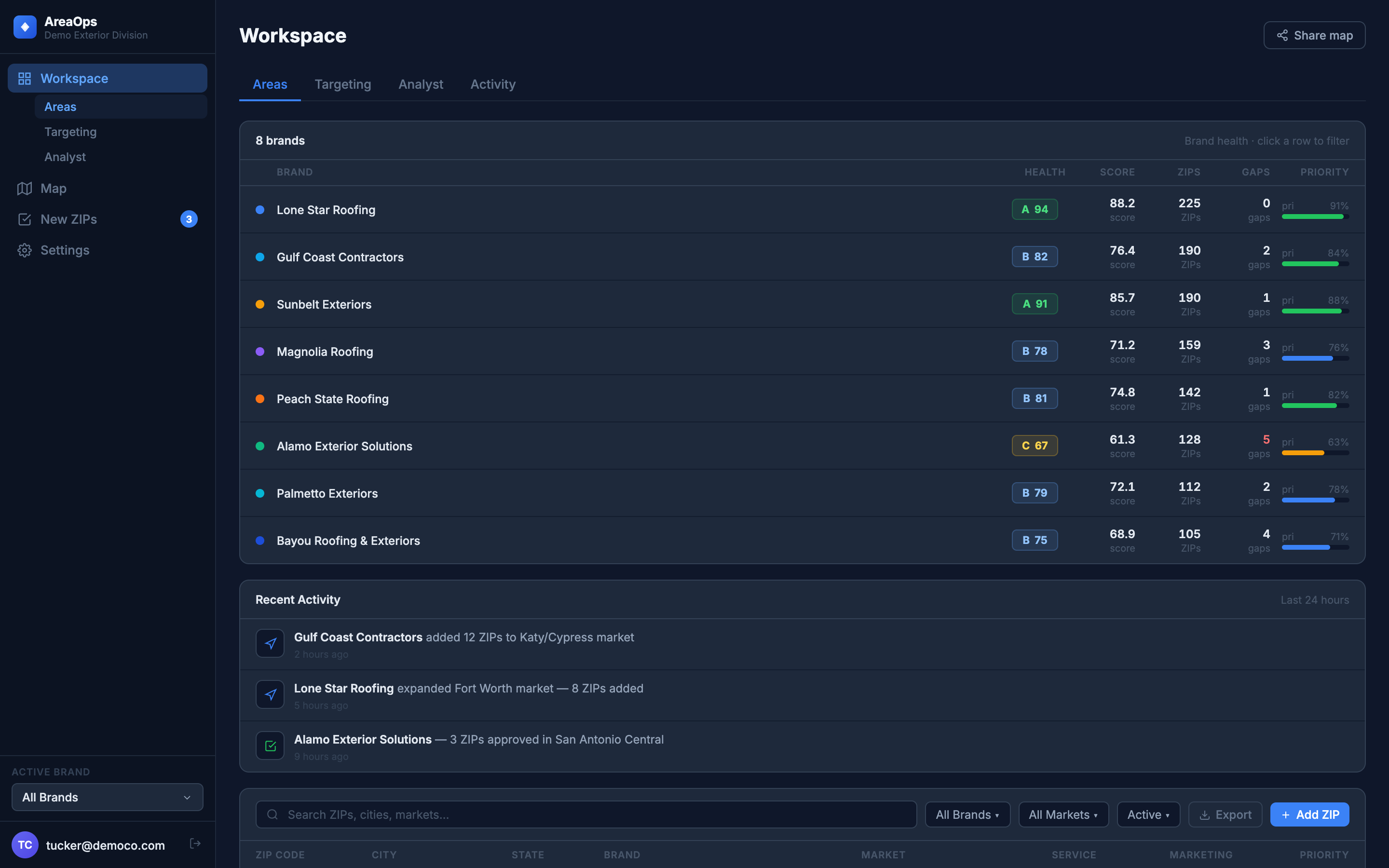
Dozens of brands, multi-market, hundreds of ZIPs tracked in untrusted spreadsheets. No way to see coverage, score gaps, or spot overlap between brands fighting for the same territory.

AreaOps pulls the ZIP data into a map: score a ZIP, see where coverage thins, track footprint as it grows. What started as an internal diagnostic became a multi-tenant SaaS — auth, billing, admin panel, the whole stack.

AreaOps ZIP-score coverage map showing service territories AreaOps workspace — brand portfolio with health scores, ZIP coverage, and gap analysis
Built as an internal fix. Shipped as a multi-tenant SaaS — auth, billing, admin, the whole thing. The product exists because the internal problem was real enough to pay for itself.

Firstlight · firstlighthq.com

Local-first multi-agent research.
Private by design.

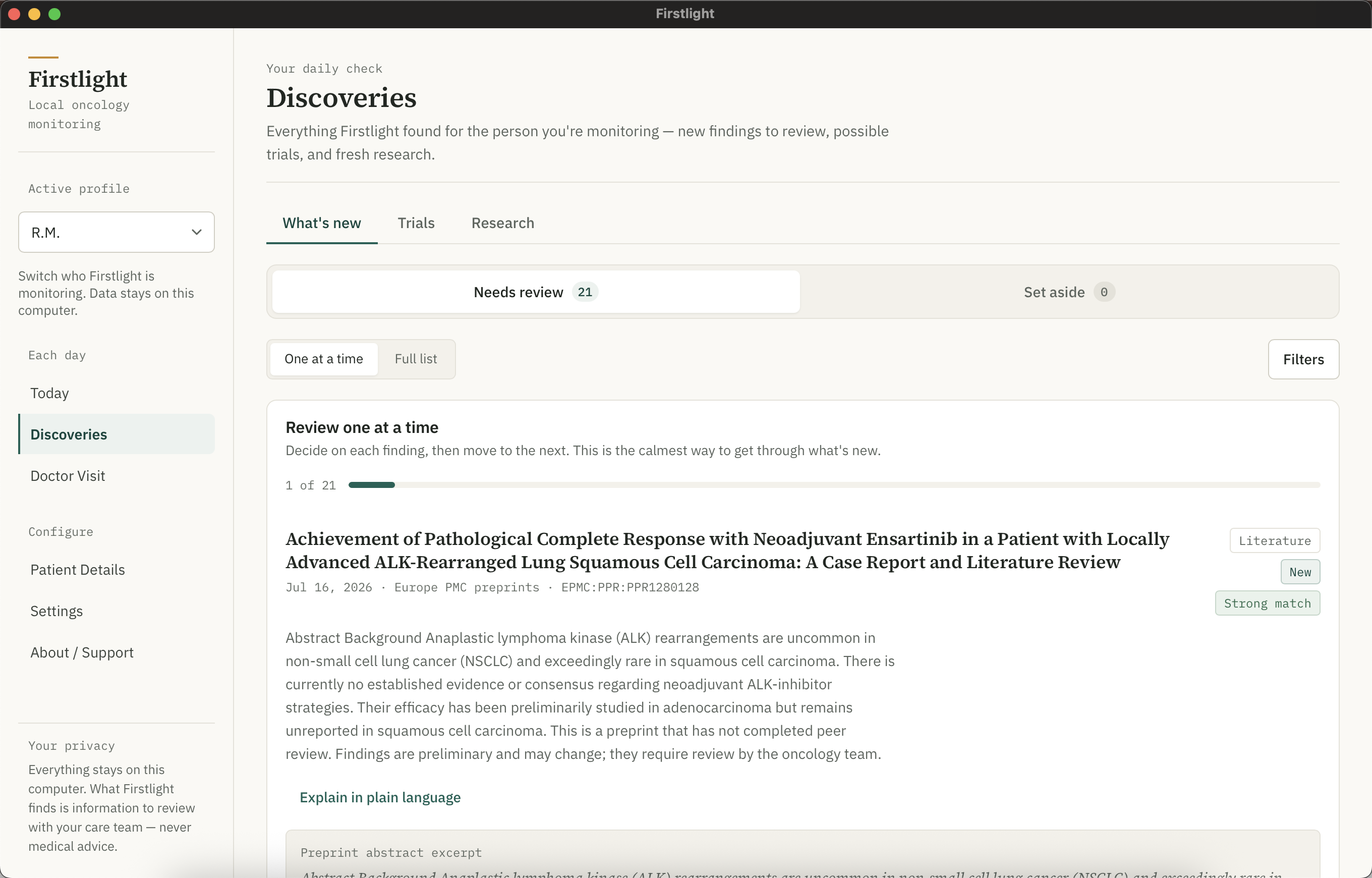
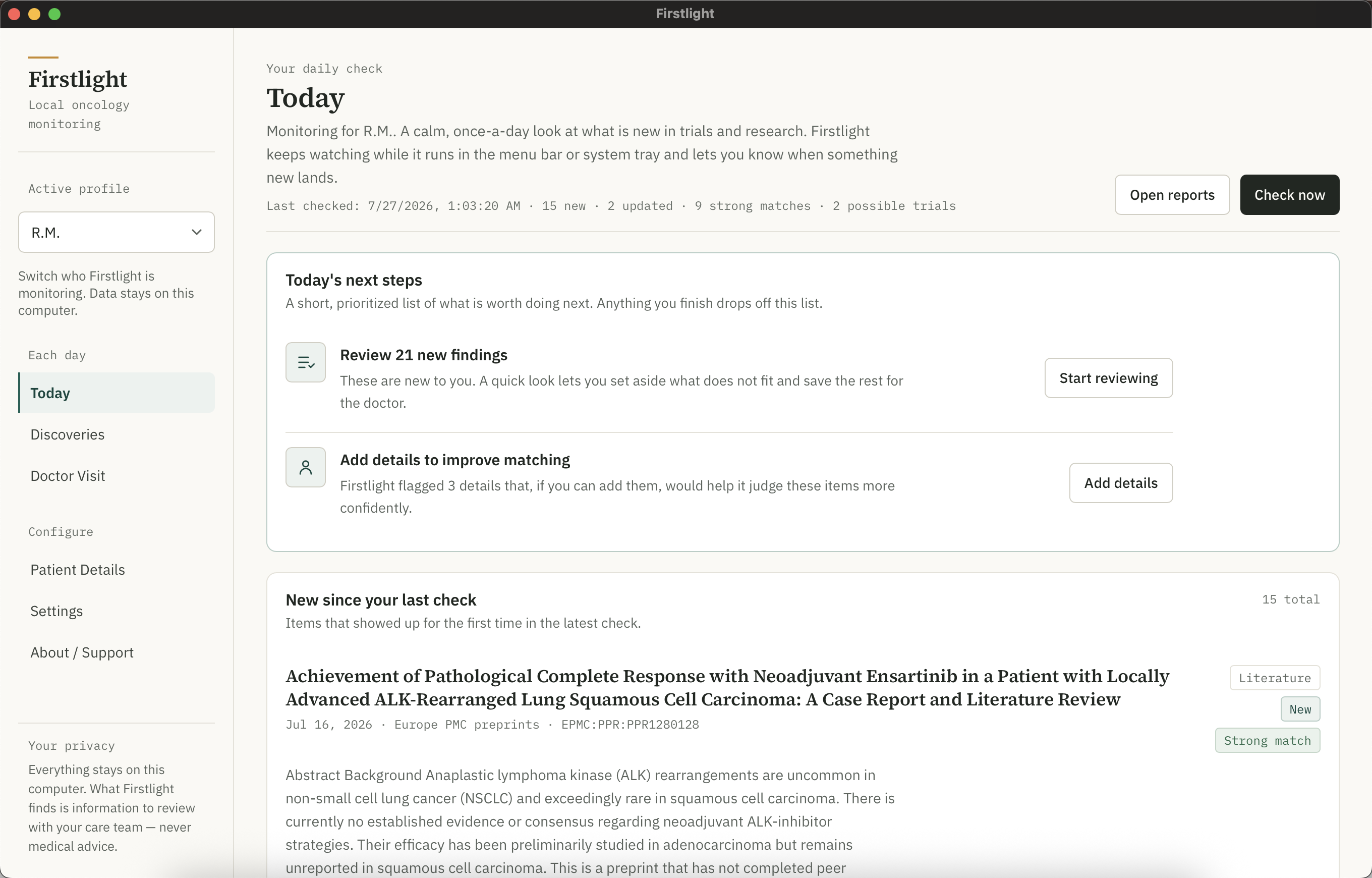
Your documents and questions never leave your machine.

Built while my mom fought cancer — because families in that seat drown in medical information they can't evaluate, and what they're researching is nobody's business. Local-first isn't a feature choice; it's the only honest answer to that constraint.

Desktop app, multi-agent research pipeline, zero cloud. A different animal from the SaaS work above — same principle, different axis: the system does the research sorting so you can focus on what matters.

Firstlight desktop app — Discoveries view with research findings matched against a patient profile Firstlight desktop app — Today view with active monitoring and suggested next steps
firstlighthq.com — live, downloadable, local.